
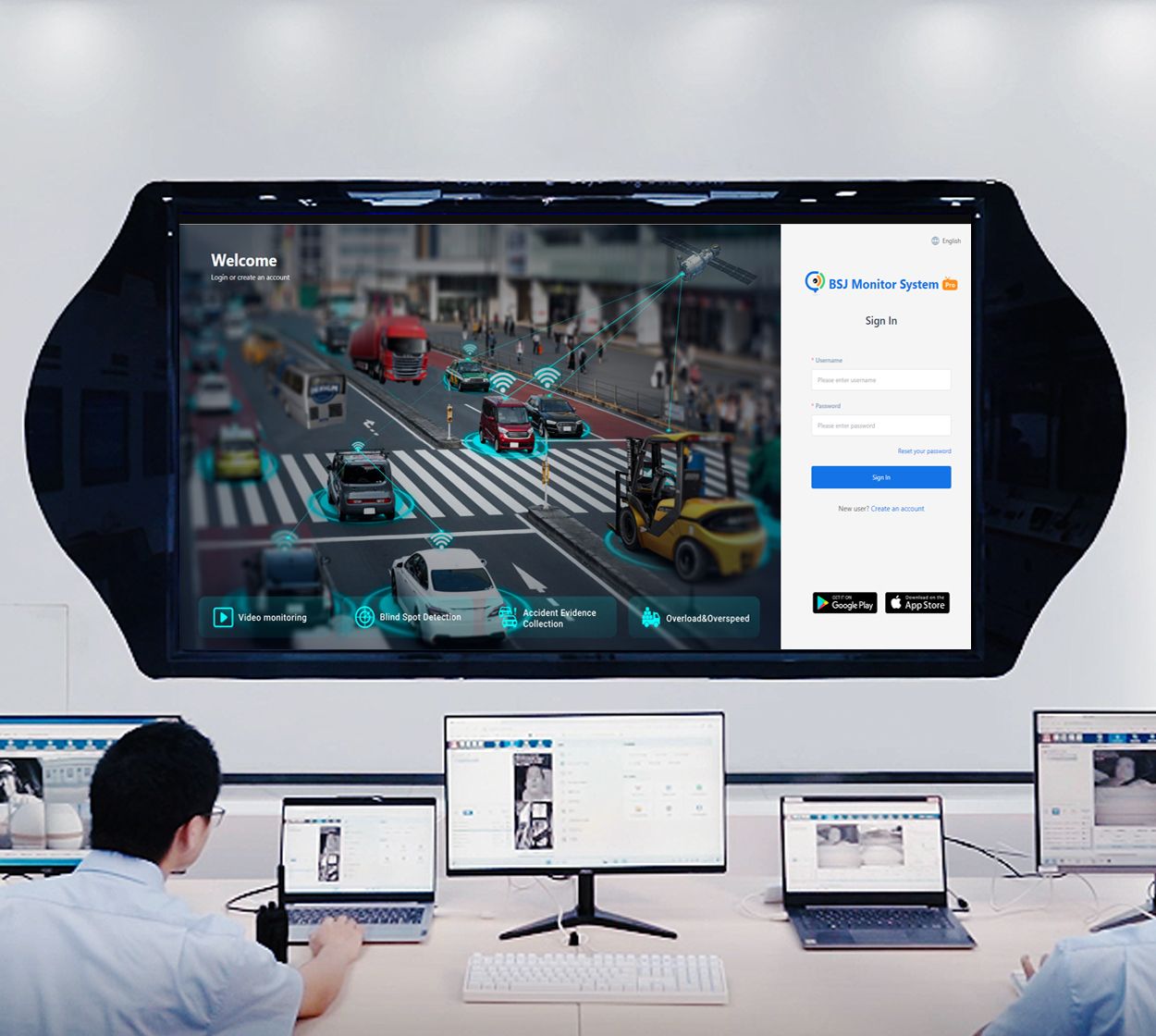
What bus operators really want
Yuh busy, so yuh need tech dat do the work and not mek more problems. Operators want reliable location, clear trip data, and quick fault alerts so drivers and schedulers can move. A smart bus fleet management approach answers those exact needs — not shiny false promises. I’ve worked alongside municipal bus teams and private coach operators, so mi speak from hands-on experience: give drivers useful info, give planners accurate timestamps, and cut unreliable alerts.

Core features that actually matter
Here’s the shortlist yuh will use every day:
- Precise GPS tracking with route context — know where bus is relative to stops.
- Driver behavior monitoring that flags real risks, not trivial bumps.
- Vehicle health alerts that explain urgency and next steps.
- Onboard passenger counting and dwell-time reports for demand planning.
- Simple APIs and exportable reports so planners integrate data fast.
Pick features that match tasks on a dispatcher’s desk, not features that only please a dashboard designer.
How real teams use telematics — the user view
Operators use telematics to hit daily targets: keep buses on time, reduce breakdowns, and balance crew hours. Route re-timing comes from dwell-time patterns; preventative maintenance comes from repeated fault codes; incident response comes from live location and video proof. A large transit authority like Transport for London (TfL) shows how layered data — arrival variance, headway gaps, and vehicle health — guides both short-term fixes and long-term schedule change. Use the system to solve specific tasks, not to hoard dashboards.
Common mistakes operators make
Operators trip up when they treat telematics like one-size-fits-all. Watch the pitfalls:
- Over-collecting data without defined use — creates noise and costs.
- Buying for features instead of workflows — if drivers can’t act on an alert, it’s useless.
- Ignoring integration — systems that don’t talk to payroll or ticketing become silos.
- Trusting unreadable alerts — vendor jargon confuses mechanics and delays fixes.
Fix these by mapping daily decisions first, then buying tools that support those decisions.
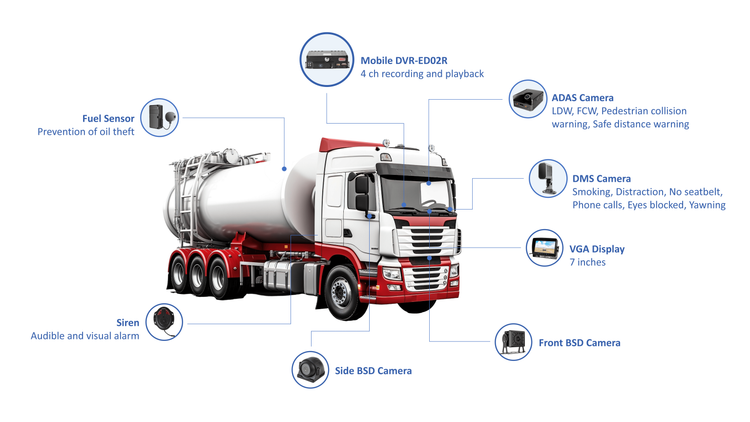
Quick user-centric checklist to evaluate providers
Ask these direct questions at demos:
- Can the platform show a dispatcher the next three corrective actions for a fault?
- Does it stream route adherence in seconds, not minutes?
- Are driver coaching reports exportable into crew rostering tools?
- How does the supplier handle offline zones and reconnect reconciliation?
- What training and field support come with deployment?
If answers are vague, move on. Practical clarity beats flashy visuals.
Alternatives and where each fits
Lightweight trackers: cheap, fast install, good for basic location. Not enough for maintenance planning.Full telematics suites: deep diagnostics, passenger analytics, integration options — best where planners and maintenance teams both rely on the same dataset.Custom integrations: for agencies with legacy systems, custom work pays off but needs strict scope control so cost doesn’t explode.Match tool complexity to the team’s ability to act on the data.
Final take — plain and useful
You want fewer surprises on the road, faster fixes at the depot, and scheduling data that tells the truth. Start with daily problems, pick features that solve those problems, and insist on clear actions from alerts. Done right, your telematics become part of the crew’s routine. That’s what I’ve seen work with operators who move from guesswork to predictable service, and why trusted solutions like BSJ fit naturally into a practical, user-first setup.