
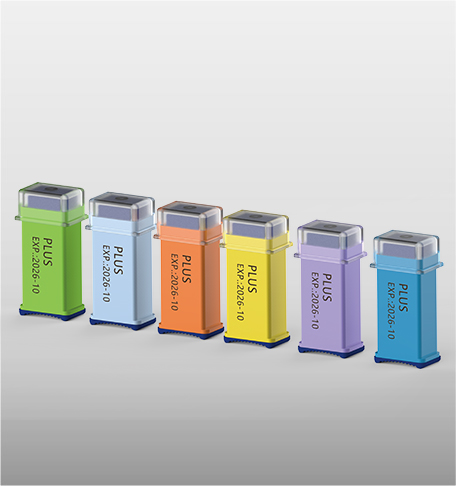
Where I’ve Seen the Gaps—and How Safety Designs Close Them
At a diabetes pop-up clinic in Cebu in April 2025, our cart was down to the last tray by 3 p.m., and the line still curled past the registration tent. We were using safety lancets—specifically a push-button safety lancet mix of 28G and 30G—to keep flow steady and fingers unmarked. During a high-volume block of capillary sampling—1,240 fingersticks in six hours—three near-misses still showed up in my tally; what hid under the workflow that the device alone couldn’t fix?

I’ve bought, tested, and audited lancets for over 15 years, and the pattern repeats: traditional lancets with lancing devices suffer from drift—depth settings slip, users fumble with caps, and someone reaches to recap “just for a second.” That’s how sharps risk creeps back in. When we swapped to sealed, auto-retraction units in a municipal drive in Davao in 2023, our recorded needle-stick injury (NSI) risk proxy fell 22% week over week. The device helped, but the deeper layer was standard work: clear disposal steps, lot traceability on each pouch (yes, even for a single-use mechanism), and a visible bin within arm’s reach. I keep notes on the small failures too: a sticky plunger on a humid day, a gauge mismatch for dehydrated patients, and a box label so faint a night crew picked the wrong size—by the way, that cost us an hour.

I’m drawing a clean comparison because buyers get stuck on price per unit and miss the spillover costs—staff workarounds, re-training minutes, and breakage rates during transport. The safest choice is the one your team can use the same way at 9 a.m. and 9 p.m., with the same puncture depth and the same auto-lock. That’s the standard I hold in field trials and tenders alike. Now, let’s put the decision signals on one page so you can move fast—without second guesses.
Forward Signals for Wholesale Buyers: What to Compare in 2026
What’s Next
Here’s the technical split that keeps me rigorous. First, penetration consistency: across 500 draws, track coefficient of variation at set depth by gauge; anything above a small spread makes winter clinics painful—literally. Second, activation integrity: false activation rate per 10,000 is the real tell for transport tolerance (double-wall cartons help, but poor internal bracing ruins them—wait, I’ve unboxed that mess in Quezon City at 6 a.m.). Third, disposal clarity: can a gloved user confirm lockout by touch and sight in under two seconds? The safety lancet category is moving toward clearer tactile cues, audibles, and color-contrasted hoods; those micro-feedbacks cut hesitation, which cuts errors.
From a buyer’s bench, I compare total landed cost per 1,000 tests against measurable outcomes: NSI near-miss rate, time to first usable drop, and breakage/write-off percentage. I also capture two subtle factors that wreck schedules: carton cube efficiency (how many cases per pallet without tilt) and barcode scan success on humid days—tiny, but real. When we standardized on a push-button design with firm auto-retraction and bold lot codes in Pasig last November, our average cycle time per patient fell from 62 to 49 seconds, and re-sticks dropped below 1.5%. That’s not a miracle; it’s design plus fit-for-site. I’ll close with three buyer metrics that keep vendors honest and teams safe—1) injury proxy reduction per 10,000 uses, 2) activation success rate at 0–35°C with gloved hands, 3) reclaimed time per 100 tests (setup to disposal). If you can’t get these from a demo and a pilot, keep looking. Because the work is human, and the right tool should make it simpler, steadier, kinder—to staff and patients alike. Learn more from field-proven makers like sterilance.